As an Amazon Associate, I earn from qualifying purchases. This post may contain affiliate links, meaning I get a commission if you decide to make a purchase through my links, at no cost to you.
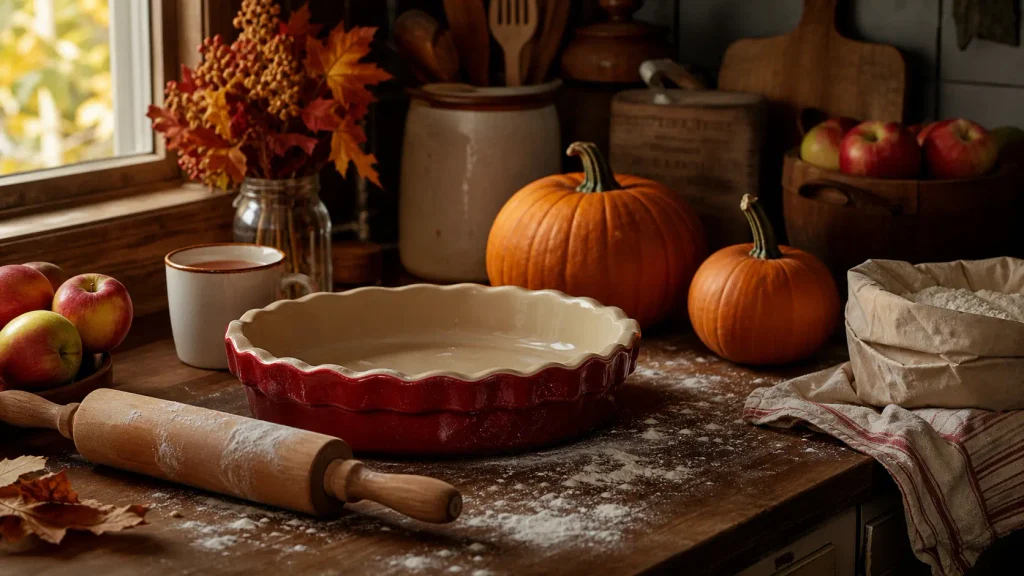
There is a very specific, undeniable shift that happens in kitchens right around the second week of October.
The grilling gear gets packed away, and everyone suddenly starts looking for their essential pie making tools.
The morning air turns crisp, and you get the overwhelming urge to bake a pumpkin pie entirely from scratch.
But as idyllic as autumn baking looks on a cozy social media feed, wet custard pies are notoriously difficult to master.
You are constantly battling a myriad of issues.
You have to worry about soggy bottom crusts, dough that shrinks down the pan, and uneven baking temperatures.
Getting that perfect, golden-brown Thanksgiving centerpiece requires more than just following your grandmother’s recipe.
It requires gear that is specifically engineered to handle the actual chemistry of baking.
If you want to skip the trial and error, here is the short list of standout tools:
- For Heat Distribution & Presentation: Emile Henry Made In France 9 Inch Pie Dish
- For Precision Dough Control: J.K. Adams Maple Wood French Rolling Pin
- For Structural Support: Mrs. Anderson’s Baking Ceramic Pie Crust Weights
Key Gear at a Glance
| Essential Tool | The Core Problem It Solves | Check Current Deals |
|---|---|---|
| Emile Henry Pie Dish | High-fired clay holds heat steady, preventing raw, gummy custard bottoms. | View on Amazon |
| J.K. Adams French Pin | Tapered solid maple lets you glide over dough without crushing delicate butter layers. | View on Amazon |
| Mrs. Anderson's Weights | Heavy ceramic stoneware beads stop raw dough walls from shrinking during the blind-bake. | View on Amazon |
1. Emile Henry Made In France 9 Inch Pie Dish
When you are dealing with a dense, liquid pumpkin filling, your absolute biggest enemy is a pan that heats up too quickly.
Glass or thin aluminum pans have a terrible habit of spiking in temperature the moment they hit the oven rack.
This rapid heat scorches the delicate layers of butter in your outer crust. It leaves the center of your pie completely soupy and undercooked.
This is exactly where traditional ceramic engineering shines.
The Emile Henry pie dish is crafted in France from high-fired Burgundy clay.
According to the brand’s specifications, this specific type of regional clay is designed for superior heat diffusion and long-lasting heat retention.
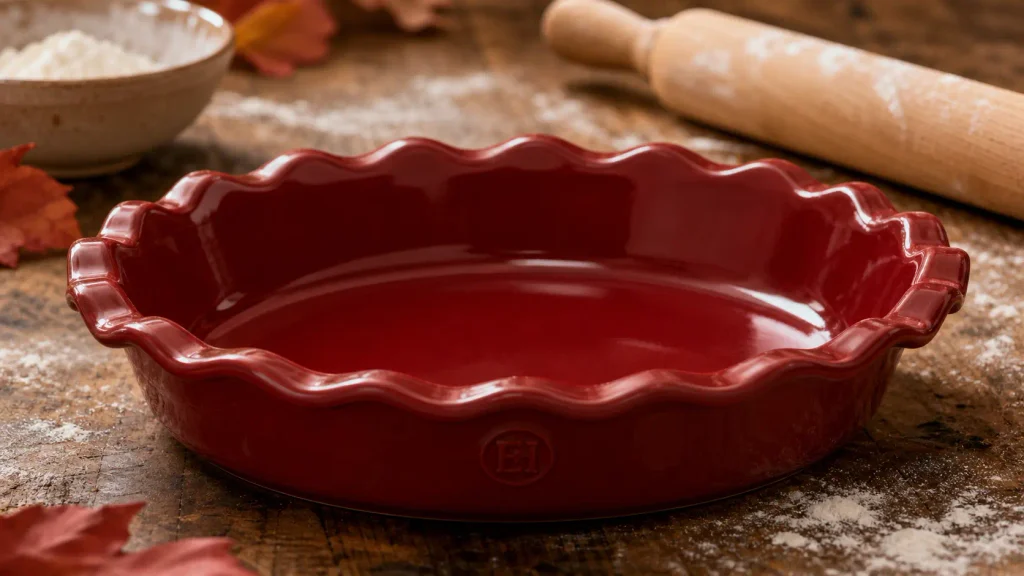
The moment you handle this dish, the sheer density of the material makes itself known.
It carries a significant, sturdy weight that feels like a true heirloom piece.
The deep, highly scratch-resistant glaze does not just look beautiful sitting on a Thanksgiving dining table.
It also means you can take a metal pie server and slice directly in the dish without worrying about ruining the glossy finish.
Furthermore, the deeply fluted edges provide a perfect physical template for creating those professional-looking, crimped crusts.
There is a slight learning curve if you are transitioning from thin metal pans.
Because thick clay takes longer to heat up, you will likely need to extend your standard recipe’s baking time by a few minutes to ensure a proper bake.
Additionally, thermal shock is a real factor with any ceramic bakeware.
You cannot move this dish directly from a deep freeze into a 400-degree oven without risking a massive crack. It needs to warm up gradually.
👉 Check Current Price & Deals for Emile Henry Pie Dish on Amazon
2. J.K. Adams Maple Wood French Rolling Pin
Many casual home bakers default to heavy marble rolling pins, or standard wooden rollers with handles attached to the sides.
The fundamental problem with handled pins is that they encourage you to press down heavily with your upper body weight.
This steamroller effect indiscriminately crushes the cold butter layers right out of your pastry dough.
It completely ruins the flaky texture you worked so hard to achieve.
This is why a French-style rolling pin is often considered one of the most essential pie making tools—it solves this mechanical issue by eliminating the handles entirely.
The J.K. Adams model is shaped from a single, solid piece of sustainably harvested Vermont maple wood.
It gently tapers toward both ends.
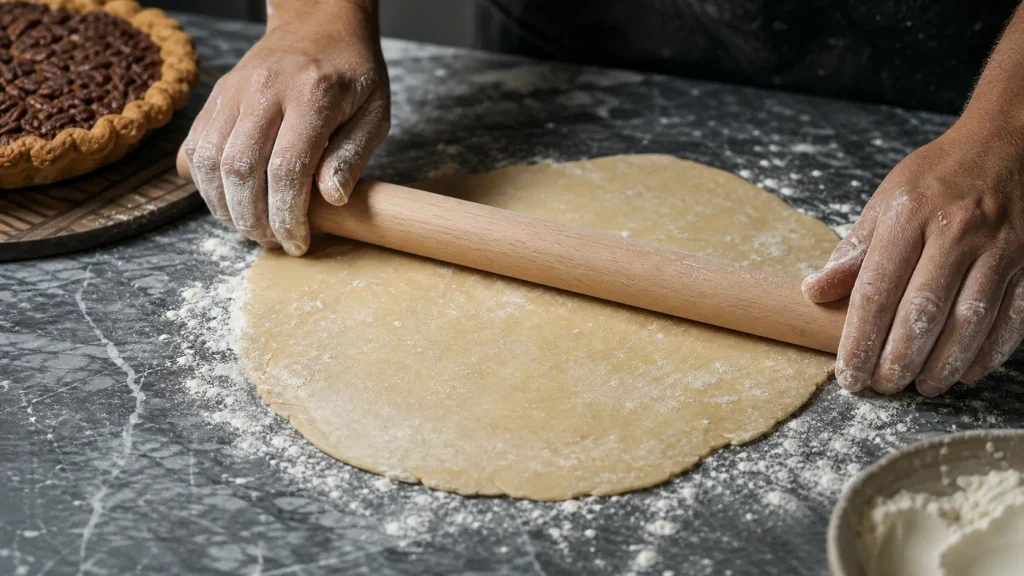
When you rest your palms directly on the thickest part of the wooden barrel, it provides incredible tactile feedback.
You can literally feel the thickness and temperature of the dough beneath your hands.
This direct contact allows you to gently glide over the surface rather than bulldozing it.
The tapered ends are specifically designed to let you easily pivot the pin.
This makes rolling out perfect, even circles effortless, and stops you from tearing the delicate edges of your crust.
Because it is made of natural, unfinished maple, the wood naturally holds a light dusting of flour.
This provides just enough friction to prevent the dough from sticking, unlike silicone pins that always seem to grab and pull.
However, that natural wood construction means strict maintenance rules apply.
It must be hand-washed and dried immediately with a towel.
You should also occasionally rub it down with food-grade mineral oil to prevent the wood from drying out or splintering in the dry winter months.
👉 Check Current Price & Deals for J.K. Adams French Pin on Amazon
3. Mrs. Anderson’s Baking Ceramic Pie Crust Weights
Because pumpkin pie requires a very wet custard filling, baking science dictates that you must “blind bake” the crust first.
Blind baking simply means pre-baking the dough before adding the filling.
If you skip this crucial step, the liquid seeps into the raw dough.
This creates a gummy, unappetizing base that ruins the dessert.
But baking an empty pie crust presents its own unique structural issue in the oven.
As the butter in the dough melts, the empty crust dramatically shrinks and slides down the slippery sides of the pie dish.
Mrs. Anderson’s Ceramic Pie Crust Weights provide the exact physical structure needed to keep the dough in its proper place.
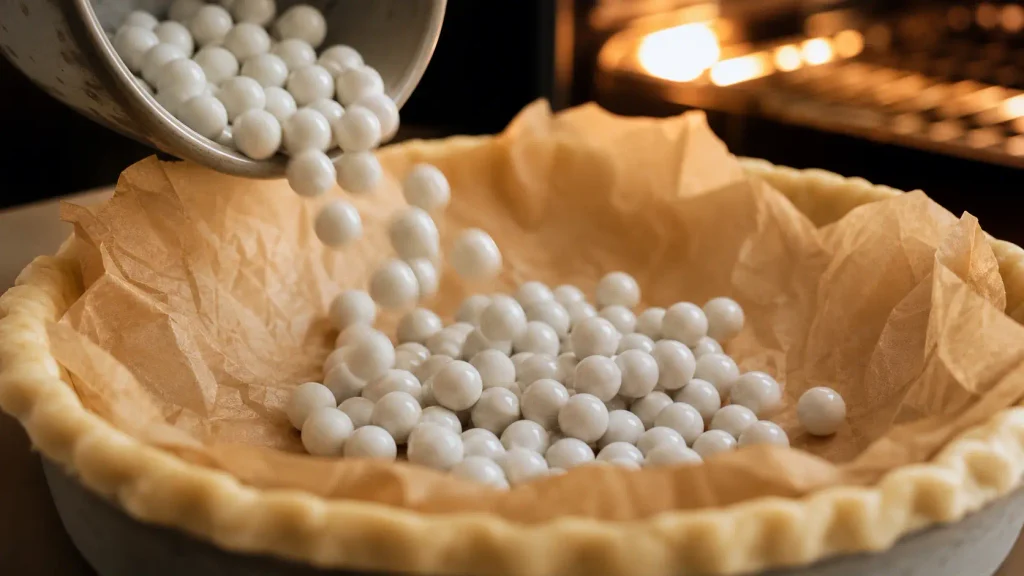
These are small, natural ceramic stoneware beads.
You simply pour them over a layer of crinkled parchment paper directly into the raw crust.
They are heavy enough to firmly hold the dough walls up against the side of the pan.
Because they are made of ceramic, they also conduct the oven’s heat beautifully, ensuring the bottom of the crust cooks evenly.
While some home bakers use dried pantry beans as a cheap DIY alternative, culinary experts generally advise against it.
Dried beans simply do not conduct heat as efficiently as ceramic.
They can also leave a strange roasted odor in your kitchen, and they eventually become brittle and break after repeated trips to a hot oven.
Just keep in mind that these ceramic weights often arrive from the factory with a fine layer of kiln dust.
They need a thorough wash in warm, soapy water and a complete air-dry before they ever touch your baking parchment.
👉 Check Current Price & Deals for Mrs. Anderson’s Weights on Amazon
The Workflow Upgrade: Handling Cold Ingredients
Even the best rolling pin in the world will not save a pie crust if the dough was not mixed properly from the start.
The absolute foundational secret to a flaky pie crust relies entirely on keeping your butter ice-cold.
If you use your warm hands to massage the butter into the flour, the body heat melts the fat prematurely.
Adding a dedicated pastry blender to your prep workflow solves this temperature problem completely.
The Spring Chef Dough Blender is built specifically for this exact task.
Instead of flimsy wires that bend backward when they hit a cold block of butter, it features heavy-duty stainless steel blades.
It cleanly slices through frozen butter with zero resistance.
It transforms a tedious, hand-cramping chore into a quick, one-minute process, ensuring your dough remains perfectly cold.
👉 Check Current Price & Deals for Spring Chef Dough Blender on Amazon
Figuring Out Your Kitchen Profile
Upgrading your baking gear is not about buying every gadget on the internet. It is about matching the right tools to the way you actually cook.
If you take immense pride in the presentation of your holiday meals, investing in the Emile Henry Pie Dish is the logical choice.
It is a stunning, heirloom-quality piece of pottery that respects the slow, careful process of custard baking. It looks absolutely gorgeous sitting next to a carved turkey.
If you find yourself constantly frustrated by dough that tears or sticks to the counter, swapping your clunky handled roller for the J.K. Adams French Pin is a must.
It will fundamentally change your prep experience by offering a level of finesse that heavy rollers simply cannot match.
Conversely, if your idea of baking involves buying pre-made graham cracker crusts or frozen aluminum pie shells, you can safely skip the Ceramic Pie Weights.
Those are strictly specialized maintenance tools for bakers who build their pastry structure entirely from scratch.
FAQ: Using Your Essential Pie Making Tools
Why do recipes insist on blind baking pumpkin pie crusts?
A wet custard like a pumpkin or pecan filling takes a significantly long time to set in the oven.
If you pour that wet mixture directly into raw dough, the liquid will saturate the flour long before the oven heat can evaporate the moisture.
Blind baking solves this by setting the starches in the crust first.
This creates a solid, waterproof barrier for the liquid filling to sit in.
What is the safest way to store a baked pumpkin pie?
According to the official guidelines from the USDA Food Safety and Inspection Service, egg-rich pies are officially classified as perishable items.
They should be allowed to cool at room temperature for no more than two hours after baking.
After that two-hour window, they must be moved to the refrigerator immediately. This prevents the rapid and dangerous growth of harmful bacteria.
Is a wooden rolling pin actually hygienic to use?
Yes, it is perfectly safe and hygienic, provided it is cared for correctly.
Hardwoods like maple have natural properties that make them excellent for culinary use and dough prep.
The essential rule is to never soak the wood in water or put it in a dishwasher.
Simply wiping it down with a damp cloth to remove flour, and drying it immediately with a towel, prevents any bacteria from taking hold.
Elevating the Holiday Experience
Autumn baking should never feel like a stressful battle against your own ingredients.
When you stop fighting with kitchen tools that do not quite work, the entire atmosphere of your kitchen changes.
Ditching the thin glass pans that scorch your crusts and the heavy rollers that mangle your delicate dough makes all the difference.
Investing in these essential pie making tools ensures that your massive effort actually translates into a beautiful, perfectly baked pie.
Equip your kitchen properly this season, preheat the oven, and actually enjoy the best culinary months of the year.
Ready to upgrade your holiday baking setup? Check out the current availability and pricing on Amazon below:
Shop the Emile Henry 9" Pie Dish on AmazonShop the J.K. Adams French Rolling Pin on AmazonShop Mrs. Anderson's Pie Weights on AmazonShop the Spring Chef Dough Blender on Amazon
Want more recommendations? Head back to our homepage to see all our 2026 everyday picks.